Belize Valley Archaeological Reconnaissance Project
Archaeological Field School
Tools and Supplies
BVAR FIELD SCHOOL ESSENTIALS
If this is your first time attending a field school, traveling out of your home country, or even your first time in Central America, the following information should be considered and will benefit you in your travels and fieldwork. Please read through the entire page prior to purchasing tools and other field school items. Note: Any brands mentioned below are suggestions and/or the most used; purchasing these brands are not a requirement. Similar items will be sufficient, too. You can find an Amazon shopping list with our suggestions.
REQUIRED TOOLS
• Trowel • Geological/archaeological pick
• Compass • Measuring tape (metric)
• Line Level • Plumb bob
• Clipboard • Whisk broom + dust pan
• Notebook • Ruler (engineer style is preferred)
• Mechanical pencils and ballpoint pens • Reusable water bottles
• Field Bag/Backpack • Flashlight or headlamp**
• Pocket Knife** • Batteries**
• Gloves (gardening gloves/lightweight)** • Kneeling pad**
** Not required, but strongly suggested.
Marshalltown Pointing Trowel (5-7 inches)
The masonry pointed trowel is the primary tool used by archaeologists. If you plan to pursue a career in the field of archaeology, you should own at least one pointed trowel. Please save yourself some money and avoid buying the square trowels. And don’t buy really tiny or very large trowels. These are not the efficient trowel for archaeological excavation.
Estwing Geological Rock Pick or Ingalls Co. Archaeological Hand Picks
Geological rock picks are preferred for the type of fieldwork you will be conducting during your time on BVAR. Be sure to get a pick weight that you are comfortable handling. The most common weights range between 13 and 22 ounces. Ingalls handpicks are also great for the field but are more expensive.
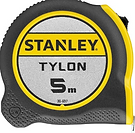
Measuring tape should be metric (in meters) and should be no shorter than 5 meters. These can be difficult to find in local hardware stores but can be purchased on Amazon.com.
Your compass is another important tool you will need for conducting archaeological fieldwork. Compasses can be expensive depending on the specs; the Suunto A-30L runs between $20 and $30 and is a prefect compass for beginners.
Line levels (aluminum recommended)
Line levels will be used throughout the entire field season and are essential for unit setup and mapping. It is always helpful to bring at least two (2) line levels as they are the most commonly lost item. We recommend Stanley aluminum levels because they are less likely to fall off the line, but plastic ones are also available. You can purchase three-packs on Amazon.
A plumb bob will be needed throughout the season as well. Along with the line level, the plumb bob helps with precision measurement during unit set up, mapping, and taking elevations.
This goes with the plumb bob to help reel in the string and keep it level. You can go without it if you have string, but the string tends to get tangled and it gets annoying quick.
Whisk broom and dustpan
Although these items do not sound like essential tools, they very much are. You will be using your dustpan and broom every day, all day as you excavate. While excavating can get dirty, archaeologists strive to keep units clean and tidy so any materials or features can be made visible for documentation. Additionally, your broom and dustpan will help you pick up more dirt which is more efficient. Choose a strong/sturdy dustpan; metal is preferable but a heavy-weight plastic one will work as well.
Notebook(s), pens, and pencils
Students are required to keep a field notebook and to record all fieldwork, lectures, and instructions daily. Your final grade will be based in part on your notebook. Some students like to keep a second notebook for transcribing notes in clearer manner at the end of the workday. You should purchase a composition sized notebook (~8 x 10 inches), not a very small one. We recommend waterproof notebooks, like Rite-in-the-Rain, or specialized notebooks for Maya archaeology. Spiral notebooks are also nice, but any type of notebook will do. You should also purchase a set of pens (black, ballpoint) and mechanical pencils for writing.
Gloves (gardening/lightweight)
Gloves are a personal preference item. Some students like having extra grip in the humid environment and help prevent blisters. Gardening gloves work fine because they are lightweight and breathable yet have some grip.
Reusable Water Bottles
Reusable water bottles are great for the field. Many students buy gallons of water from the local convenience stores to have a reliable supply of water. Reusable water bottles also reduce unnecessary trash. Because hydration is a very important concern, each site will have an emergency water supply. If you are able to fit two bottles in your luggage, even better.


TOILETRIES AND FIRST AID
• Bug Spray • Sunscreen
• Soaps** • Deodorants**
• Baby wipes/anti-bacterial wipes • Advil/Tylenol
• Electrolytes • Toothpaste**
• Band-Aids and basic first aid • Sting-Ease
(e.g., Neosporin) • Aloe
• Feminine Products
**These products can be purchased at any local store in town, many stores carry the same brand name items you can find here in the states. Bug Spray and Sunscreen can be purchased in town; however the prices are very inflated compared to the states, and sometimes the stores do run out.
Bug Spray
Do not use 100% deet products as they can be harmful to your skin and can cause rashes, sores, and burns. The chemical Deet also covers your pores making it feel hotter, because your body cannot sweat effectively. If you have a strong concern about bugs, we suggest using a bug repellent clothing rinse such as Permethrin, which is a bug repellant that stays embedded in your clothing for up to 10 washes and tends to be very effective.
There are several effective non-Deet bug sprays available in stores/online:
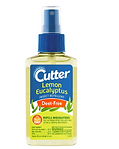
1. The Repel or Cutter lemon eucalyptus ready-to-go bottles also work great, but you will need several bottles depending on the length of your stay. Keep in mind that you will be reapplying bug spray several times a day, so if you have sensitive skin, you might seriously want to consider the natural option for your own comfort.
2. Mixing your own essential oils with water in a separately purchased glass/plastic bottle such as the Nature Shield blend (also comes in a roll-on or spray).
Sting Ease or Afterbite
Afterbite will help reduce the uncomfortableness of bug bites. You will be bit regardless of all precautions, so it is best to prepare for being bit rather than preventing being bit. Cortisone creams also work very well to this effect, but you may want to consider roll on applicators since your hands will often be dirty in the field.
Baby Wipes/Anti-bacterial Wipes
This item doesn’t seem like a necessity but can be extremely handy. Some of the sites you will be working at may not have reliable running water. Having baby wipes can come in handy during lunchtime as well as other times throughout the day.
Electrolytes
Electrolytes are important to keep handy for yourself or your fellow BVAR-ites. Staying hydrated is very important due to the environment and workload you will be taking on. It is common to see students in the field with one large bottle of water and a smaller bottle with electrolytes that can be sipped on throughout the day. Common brands of electrolyte powders/tablets that we recommend are Liquid IV, Nuun, and LMNT. These are easy to pack and carry in the field.
Laundry bags
Having a laundry bag as a place to store dirty laundry is great. If you will be doing laundry in town, you will have to it carry back and forth to the laundromat. Garbage bags can be used but may not be the most durable.
CLOTHING
BVAR does not have a strict dress code, but we ask that all students wear professional field attire (described below). Our project works closely with local Belizean communities. It is out of respect for local customs and associated institutions that we ask our students to dress appropriately. BVAR faculty or staff reserve the right to ask you to kindly change into appropriate field attire if you are not dressed appropriately. Additionally, your field attire and leisurewear should be based on individual comfort.
Clothing to bring:
• Field pants (hiking/cargo) (3 pairs minimum)
• Field shoes (hiking boots)
• Old t-shirts (cotton or other quick dry material)
• Tank tops/t-shirts
• Lightweight Button-Ups (for sun protection)
• Hat
• Sunglasses
• Bandana
• Casual Dress Wear (t-shirts, shorts, etc.)
• Sandals
• Socks
*Keep in mind that you may not get a chance to do laundry more than once a week, so bring enough work clothing to change in to. Make sure to bring high-up/hiking socks for the field (bugs +dirt)
Notes on Professional/Appropriate Field Attire
• Most student prefer to wear pants in the field to prevent additional bug bites and for additional protection. It rains frequently which means it can get muddy which is another reason students prefer pants. REI is a great place to buy field pants, but they can be expensive. Other places such as thrift stores, like Goodwill and Savers, have been successful for field clothes in general. Amazon also carries relatively inexpensive hiking pants.
• Shorts can be nice for really hot days in the field but need to be an appropriate cut (i.e., on the longer side) and material. Yoga shorts and cutoffs are not acceptable for the field. Cargo or bermuda shorts are also a common favorite of students.
• Field shoes are the one item that people worry about the most. Remember you will be wearing these all day, so they need to fit and be comfortable. This is an item you should buy in store so they can be properly fitted. Breathable material is commonly preferred due to the heat. Common field shoe brands include: Merrell, Lowa, Keen, Vasque, Asolo, etc. Choosing a type of shoe (boot, hiking shoe, athletic shoe) is up to the individual.
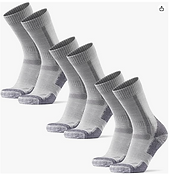
• We recommend that you bring thicker hiking-style socks for fieldwork. An extra pair or two is nice especially when it rains… soggy socks are a bummer to wear all day long.
• Field hats are nice for extra sun protection as well as for rainy days. Any hat that is comfortable to you is best. Baseball caps or floppy hats are both great.
In Town Attire You will want to be as comfortable as possible. It is still hot and sweaty even when you are not in the field. You are representing the BVAR project and your institution on a daily basis, so please keep that in mind when you are in town and be respectful.
Clothing Quality
Do not bring your finest garb down to Belize, as more than likely you will not even find an opportunity to wear it, and it will just wrinkle in your suitcase all summer. Also on that note, avoid bringing anything you would generally hate to part with down to Belize. Keep it simple, and light.